What is a Root Canal? All you need to know!
What is a Root Canal? All You Need to Know!
Everything Patients Need to Know About Root Canal Treatment
Root canals are one of the most misunderstood procedures in dentistry. Many patients fear root canal treatment because of outdated myths and misinformation. In reality, modern root canal therapy is designed to relieve pain, save natural teeth, and restore oral health comfortably and efficiently.
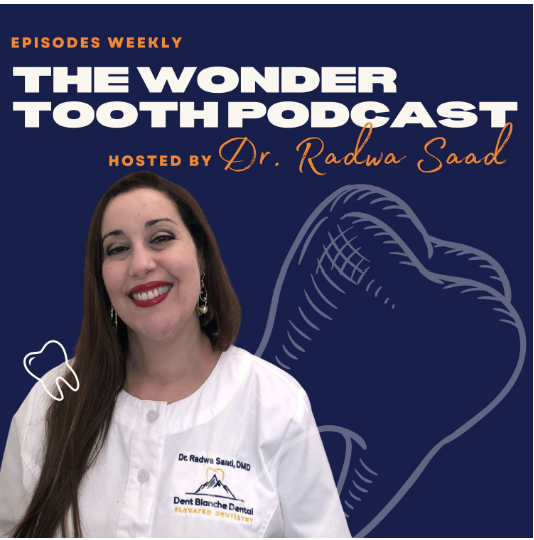
In this episode of The Wonder Tooth Podcast, Dr. Radwa Saad explains everything patients need to know about root canals, including:
- What a root canal is
- Why root canals are needed
- Signs of tooth infection
- Root canal procedure steps
- Modern root canal technology
- Recovery and aftercare
- Root canal vs extraction
- How to prevent needing a root canal
Watch the full episode here:
What is a Root Canal? All You Need to Know!
Listen on:
- Apple Podcasts
- Spotify
- iHeartRadio
What Is a Root Canal?
A root canal is a dental procedure used to treat infection or inflammation inside the tooth.
Inside each tooth is soft tissue called the pulp, which contains:
- Nerves
- Blood vessels
- Connective tissue
When bacteria reach the pulp due to decay, cracks, trauma, or infection, the tooth can become painful and infected.
Root canal treatment removes the infected pulp, disinfects the inside of the tooth, and seals it to prevent future infection.
Why Would Someone Need a Root Canal?
Deep Tooth Decay
Untreated cavities can spread into the inner part of the tooth.
Learn more:
Cavities Between Teeth Explained
Cracked or Broken Teeth
Cracks can allow bacteria to enter the pulp chamber.
Trauma or Injury
Sports injuries or accidents may damage the nerve inside the tooth.
Severe Tooth Infection
An untreated infection can spread deeper into the root structure.
Repeated Dental Procedures
Multiple restorations on the same tooth can irritate the pulp over time.
Signs You May Need a Root Canal
Persistent Tooth Pain
Pain that lingers or worsens may indicate pulp inflammation or infection.
Sensitivity to Hot or Cold
Lingering sensitivity after eating or drinking may signal nerve damage.
Swelling or Tender Gums
Swelling around a tooth may indicate infection or abscess formation.
Tooth Discoloration
Darkening of the tooth may occur after trauma or infection.
Pain While Chewing
Pressure sensitivity often indicates internal tooth damage.
What Happens During a Root Canal?
Step 1: Diagnosis and Imaging
The dentist evaluates the tooth using:
- Digital X-rays
- Clinical examination
- Advanced imaging when needed
Modern technology helps diagnose infection more accurately.
Step 2: Local Anesthesia
The area is numbed to keep the patient comfortable during treatment.
Most patients are surprised at how painless root canals feel today.
Step 3: Removing the Infection
The infected pulp tissue is carefully removed from inside the tooth.
Step 4: Cleaning and Disinfection
The canals are disinfected thoroughly to eliminate bacteria.
Step 5: Sealing the Tooth
The cleaned canals are sealed to prevent reinfection.
Step 6: Restoring the Tooth
Most root canal-treated teeth receive a dental crown for protection and strength.
Learn more:
Are Root Canals Painful?
One of the biggest myths in dentistry is that root canals are painful.
In reality:
- The infection causes pain
- The root canal relieves pain
Modern dentistry uses:
- Advanced anesthesia
- Digital imaging
- Improved instruments
- Faster treatment techniques
These advancements make treatment far more comfortable than many patients expect.
Root Canal vs Tooth Extraction
Some patients wonder whether it is better to remove the tooth instead.
Benefits of Saving the Natural Tooth
Maintains Natural Bite Function
Natural teeth help preserve chewing efficiency.
Prevents Tooth Shifting
Neighboring teeth may shift after extraction.
Helps Preserve Bone
Natural tooth roots stimulate the jawbone.
Conservative Treatment
Saving the tooth is often preferred when possible.
Learn more about implants:
Dental Implants Princeton NJ
What Happens If You Ignore an Infected Tooth?
Delaying treatment may lead to:
- Severe pain
- Swelling
- Bone loss
- Abscess formation
- Tooth loss
- Spread of infection
Early treatment improves outcomes and may help save the tooth.
Recovery After a Root Canal
Most patients return to normal activities quickly after treatment.
Recovery Tips
Avoid Hard Foods Temporarily
Protect the treated tooth until fully restored.
Maintain Good Oral Hygiene
Brush and floss regularly.
Attend Follow-Up Visits
Proper restoration is essential for long-term success.
Get the Recommended Crown
Crowns help strengthen and protect the treated tooth.
How Technology Has Changed Root Canal Treatment
At Dent Blanche Dental, advanced digital dentistry improves diagnosis and patient comfort.
Technology may include:
- Digital X-rays
- 3D CBCT imaging
- CAD/CAM same-day crowns
- Digital scanning
- Precision restorative dentistry
These tools help improve:
- Accuracy
- Comfort
- Efficiency
- Long-term outcomes
Sedation Dentistry for Nervous Patients
Patients with dental anxiety may benefit from sedation options.
Sedation dentistry helps many patients feel:
- Relaxed
- Comfortable
- Less fearful during treatment
Learn more:
How to Prevent Root Canals
Preventive care remains the best defense against severe tooth infection.
Prevention Tips
Brush and Floss Daily
Good oral hygiene reduces decay risk.
Schedule Routine Dental Exams
Early detection prevents major problems.
Treat Cavities Early
Small cavities are easier to treat before infection develops.
Wear a Night Guard if Needed
Grinding can crack and damage teeth.
Learn more:
Why Patients Choose Dent Blanche Dental
Patients choose Dent Blanche Dental because of:
- Advanced digital dentistry
- Luxury patient experience
- Same-day dentistry technology
- Personalized treatment planning
- Cosmetic dentistry expertise
- Comfortable, compassionate care
Led by Dr. Radwa Saad, the practice focuses on elevated patient-centered dentistry.
Frequently Asked Questions About Root Canals
What is the purpose of a root canal?
A root canal removes infection inside the tooth and helps save the natural tooth.
Are root canals painful?
Modern root canals are generally very comfortable due to advanced anesthesia and technology.
How long does a root canal take?
Treatment time depends on the complexity of the case and the tooth involved.
Will I need a crown after a root canal?
Many teeth require crowns after treatment for strength and protection.
Can a root canal save my tooth?
Yes. Root canal therapy is designed to preserve natural teeth whenever possible.
What happens if I delay treatment?
Delaying treatment may worsen infection and increase the risk of tooth loss.
Is extraction better than a root canal?
Saving the natural tooth is often preferred if the tooth has a good long-term prognosis.
Ready to Relieve Tooth Pain and Save Your Tooth?
If you are experiencing tooth pain, swelling, sensitivity, or signs of infection, early treatment can help prevent complications and preserve your smile.
At Dent Blanche Dental, Dr. Radwa Saad combines advanced digital dentistry with compassionate care to make root canal treatment more comfortable than ever before.
Schedule Your Consultation Today
If you are searching for:
- Root canal treatment Princeton NJ
- Emergency dentist Princeton NJ
- Tooth pain relief
- Same-day dental crowns
- Cosmetic dentistry
- Digital dentistry
Our team is here to help.
Call today: (609) 890-1888
Request an appointment online:
Book Your Appointment at Dent Blanche Dental
Subscribe, Follow, and Share The Wonder Tooth Podcast
Enjoyed this episode?
Help us continue bringing expert dental education and oral health insights to patients worldwide.
Follow The Wonder Tooth Podcast
- YouTube Channel
- Apple Podcasts
- Spotify
- iHeartRadio
Please Support the Podcast
- Subscribe to the podcast
- Leave a 5-star review
- Share this episode with family and friends
- Follow for weekly oral health and dental education content
Watch the full episode:
What is a Root Canal? All You Need to Know!
A root canal is one of the most common yet misunderstood dental treatments.
In this episode of The Wonder Tooth Podcast, Dr. Radwa Saad, a leading cosmetic dentist sits with Dr. Nadia Liss, Endodontist in New Jersey.
Root Canal Therapy Explained with Dr. Nadia Liss, Endodontist
At Dent Blanche Dental, we believe patient education is the foundation of exceptional dental care. In this special episode of The Wonder Tooth Podcast, Dr. Radwa Saad sits down with Dr. Nadia Liss, endodontist and founder of Hamilton Endodontics, to explain what a root canal is, why it is performed, and how modern Princeton dentistry has made the procedure more comfortable than ever.
What Is a Root Canal?
A root canal is a common dental treatment designed to remove infection inside the tooth and preserve your natural smile. Instead of extracting the tooth, your Princeton dentist carefully removes damaged pulp, disinfects the area, and seals the tooth to restore its health. This approach is essential for saving natural teeth and avoiding the long-term issues that follow tooth loss.
When Do You Need a Root Canal?
If you are experiencing:
- Persistent toothache
- Sensitivity to hot or cold
- Swelling or tenderness around the gums
- A dental abscess
…it may be time to visit a Princeton dental office for evaluation. Dr. Nadia Liss explains that these symptoms should never be ignored, as early treatment provides the best outcome.
Step-by-Step Treatment Overview
During the podcast, Dr. Liss provides a simple breakdown of the root canal process:
- Diagnosis– Using digital imaging to pinpoint infection.
- Anesthesia– Ensuring the treatment is completely painless.
- Cleaning– Removing infected tissue from inside the tooth.
- Sealing– Restoring the tooth’s structure with advanced materials.
- Restoration– Often finished with a crown to protect and strengthen the tooth.
Modern Dentistry, Comfortable Care
Thanks to advancements in cosmetic dentistry and digital tools, root canal therapy is now quick, efficient, and stress-free. Princeton dentists like Dr. Saad and Dr. Liss use the latest technology to ensure precision and comfort, making the experience much easier than patients expect.
Why Preserving Teeth Matters
Saving your natural dent is always better than extraction. A root canal prevents shifting, bone loss, and the need for costly dental implants. Choosing the best dentist for your care ensures long-lasting results and confidence in your smile.
Root Canal FAQs
Does a root canal hurt?
No, modern root canal treatment is virtually painless. At Dent Blanche Dental in Princeton, we use advanced anesthesia and digital dentistry tools to ensure maximum comfort. Most patients say the procedure feels no different than getting a regular filling.
How long does a root canal take?
A typical root canal procedure usually takes 60 to 90 minutes, depending on the complexity of the tooth. Thanks to rotary instruments and digital imaging, Princeton dentists can often complete treatment in just one visit.
How long does a root canal last?
With proper dental care, a root canal can last a lifetime. After the procedure, most teeth are restored with a porcelain crown, which protects the tooth and ensures long-term strength and function.
Read more about Root Canal
Book Your Appointment Today
If you’re searching for the best dentist in Princeton for root canal therapy, emergency dental care, or cosmetic dentistry, contact Dent Blanche Dental today. Our dental office provides advanced treatment options in a relaxing environment designed for your comfort.
📞 Call us now at 609-890-1888 or visit Dent Blanche Dental to schedule your consultation.
Contact Dr. Nadia Liss
Hamilton Endodontics
Dr. Nadia Liss
1245 Whitehorse Mercerville Rd, Suite 424
Hamilton Township, NJ 08619
609.438.9130
https://hamiltonrootcanal.com/
📅Schedule your appointment today here
We’re thrilled to bring you the latest innovations and help you understand how dentistry is evolving. So tune in to *The Wonder Tooth Podcast* for this full episode, where Dr. Saad answers your questions, shares real-life stories, and explains how we can help you achieve a perfect smile—on the same day!
Stay tuned for more insights, and remember, your dream smile is closer than you think!
Subscribe for More:
Don’t miss out on future episodes of *The Wonder Tooth*! Subscribe, hit the notification bell, and drop a comment below to let us know how often you change your toothbrush. Dr. Saad might feature your question in an upcoming episode!
Make sure to tune in to this eye-opening episode, and remember, great oral health starts with the right information. We're here to help you smile with confidence!
If you found this video helpful, please give it a thumbs up, subscribe to my channel, and hit the notification bell for more dental tips and advice.
Schedule an appointment today
👉 https://dentblanchedental.com
Dent Blanche Dental
3640 Lawrenceville Rd, Princeton, NJ, 08540
Office# 609-890-1888