Your Tongue is Warning you About Your Health
Tongue Warning Signs: What Your Tongue Says About Your Health | The Wonder Tooth Podcast
Your tongue does much more than help you speak, taste, and swallow. It can also reveal important clues about your oral health and overall wellness.
Changes in tongue color, texture, shape, coating, soreness, or movement may sometimes provide early warning signs that something deeper is happening in the body. While many tongue changes are harmless, others deserve professional attention.
Your mouth often acts as a window into your health.
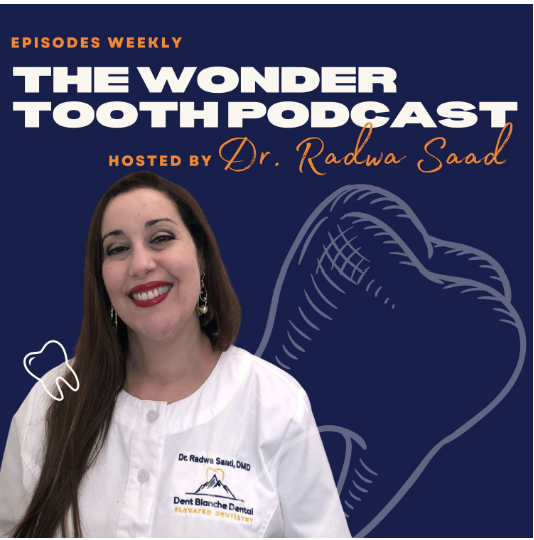
In this episode of The Wonder Tooth Podcast, Dr. Radwa Saad explains common tongue warning signs, what they may mean, and when changes should not be ignored.
Watch the full episode here:
Listen on Apple Podcasts, Spotify, iHeartRadio, Audible, Pandora, and all major podcast platforms.
Subscribe to The Wonder Tooth Podcast for weekly educational episodes that help patients understand oral health and recognize signs their body may be sending.
Why the Tongue Matters
The tongue contains muscles, nerves, taste receptors, and specialized tissues that support many daily functions.
Your tongue helps with:
- Speaking
- Swallowing
- Tasting food
- Chewing
- Cleaning the mouth
- Oral function
Because the tongue contains blood vessels and rapidly renewing tissue, changes sometimes appear quickly.
Dentists frequently examine the tongue during routine evaluations because it may reveal important clues.
What a Healthy Tongue Usually Looks Like
Although every tongue varies slightly, healthy tongues often appear:
- Pink in color
- Moist
- Covered with small papillae
- Free from persistent sores
- Free from unusual patches
Temporary changes may happen from foods, beverages, or minor irritation.
Persistent changes deserve attention.
White Coating on the Tongue
A white coating is one of the most common findings.
Possible causes may include:
- Dry mouth
- Poor oral hygiene
- Smoking
- Bacterial buildup
- Yeast overgrowth
- Illness
- Certain medications
Some white patches can be harmless.
Others require evaluation.
Persistent white areas should not be ignored.
Geographic Tongue
Geographic tongue creates smooth red patches surrounded by irregular borders.
The pattern sometimes changes location over time.
Many patients become concerned because of its appearance.
Geographic tongue:
- Usually remains harmless
- Often changes shape
- May occasionally cause sensitivity
Many people never require treatment.
Red Tongue Changes
A bright red tongue may occasionally suggest:
- Nutritional deficiencies
- Irritation
- Inflammation
- Vitamin deficiencies
- Medical conditions
Tongue appearance can sometimes provide clues about overall health.
Cracked or Fissured Tongue
Small grooves or fissures may develop naturally.
Many fissured tongues remain harmless.
Food and bacteria sometimes collect inside grooves.
Good hygiene becomes especially important.
Cleaning the tongue gently may help reduce buildup.
Burning Tongue Symptoms
Some individuals experience:
- Burning
- Tingling
- Sensitivity
- Discomfort
Possible contributing factors may include:
- Stress
- Dry mouth
- Hormonal changes
- Nutritional deficiencies
- Oral irritation
Symptoms vary significantly among patients.
Dry Mouth Can Affect the Tongue
Saliva protects oral tissues.
Reduced saliva may contribute to:
- Tongue discomfort
- Increased bacteria
- Bad breath
- Higher cavity risk
- Irritation
Hydration plays an important role.
Bad Breath and Tongue Bacteria
The tongue surface contains many tiny spaces where bacteria collect.
Bacterial buildup may contribute to:
- Bad breath
- Coating accumulation
- Taste changes
Tongue cleaning often becomes an overlooked part of oral care.
Tongue Cleaning Matters
Many people brush teeth consistently but ignore the tongue.
Helpful habits include:
- Brushing the tongue gently
- Using tongue scrapers
- Staying hydrated
- Maintaining regular dental care
Daily tongue cleaning may help reduce bacterial accumulation.
When Tongue Changes Should Not Be Ignored
Contact a dental professional if symptoms include:
- Persistent sores
- White patches lasting several weeks
- Difficulty swallowing
- Unexplained pain
- Swelling
- Changes that continue worsening
- Bleeding
- Unusual lumps
Early evaluation often creates better outcomes.
Schedule an appointment:
Dentists Often Detect Early Changes
Routine dental visits include more than cavity checks.
Comprehensive examinations often evaluate:
- Soft tissues
- Tongue health
- Gum tissue
- Oral cancer screening
- Bite changes
- Overall oral wellness
Dentists sometimes identify subtle changes patients overlook.
Learn more:
Dent Blanche Dental Official Website
Oral Cancer Screening and Tongue Health
Persistent sores or unusual patches should never be ignored.
Many routine dental visits include screenings for abnormalities involving:
- Tongue tissues
- Floor of the mouth
- Soft tissues
- Oral structures
Early identification matters.
Learn more:
Mouth Cancer Awareness Information
Frequently Asked Questions
Is a white tongue always serious?
No.
Temporary coating often develops from harmless causes.
Persistent changes deserve evaluation.
Should I brush my tongue?
Yes.
Gentle tongue cleaning may reduce bacteria and improve freshness.
Why does my tongue look bumpy?
Small bumps called papillae normally exist.
Sudden changes may require examination.
Can stress affect the tongue?
Stress may contribute to oral symptoms including irritation and burning sensations.
Can dentists identify health issues from the tongue?
Dentists sometimes identify oral signs that suggest broader health concerns.
Final Thoughts
Your tongue may reveal more than you think.
Small changes sometimes provide important clues about oral and overall health.
Most findings remain harmless.
Others deserve professional attention.
Knowing what to watch for creates opportunities for earlier care and better outcomes.
If you notice persistent tongue changes, unusual spots, soreness, or discomfort, schedule an evaluation.
Schedule Your Appointment Today
Dent Blanche Dental proudly serves Princeton, NJ and Fifth Avenue NYC with advanced digital dentistry and elevated patient care.
Like, Share, Follow and Subscribe
Enjoyed this episode of The Wonder Tooth Podcast?
Please Like, Share, Follow and Subscribe on YouTube, Apple Podcasts, Spotify, Audible, Pandora, and iHeartRadio.
Help us educate more patients and break myths surrounding oral health.
Need a consultation?
Request an Appointment at Dent Blanche Dental
Call: (609) 890-1888
What Your Tongue Says About Your Health
Secrets Hiding in Plain Sight
Your tongue is one of the most underrated tools in your body’s health toolkit.
Did you know your tongue can reveal early signs of disease, vitamin deficiencies, or oral health issues? Dr. Radwa Saad breaks down 8 tongue clues you need to know.
It can reveal issues with your nutrition, immune system, hydration, and more—*before* you ever feel sick. As a dentist, I check the tongue at every appointment because it often shows me what your body is trying to say.
Here are 8 tongue signs you should never ignore:
1. White Coating
Could mean:
- Oral thrush (yeast/fungal infection)
- Dehydration
- Poor oral hygiene
Common in those on antibiotics, with dry mouth, or diabetes.
2. Bright Red or Smooth Tongue
Often caused by:
- Vitamin B12 or folate deficiency
- Iron deficiency
It may look “bald” if papillae (tiny bumps) are lost. Can also feel sore.
3. Geographic Tongue
Red, map-like patches that move around.
Usually harmless, but can flare with stress, hormones, or spicy foods. If painful, talk to your dentist.
4. Black Hairy Tongue
A buildup of dead skin, bacteria, or yeast that stains the tongue.
Caused by:
- Smoking
- Antibiotics
- Poor oral hygiene
- Excessive coffee/mouthwash
5. Scalloped or Wavy Edges
If your tongue has indentations or “tooth prints,” it might be:
- Swollen from clenching or grinding
- Linked to sleep apnea or airway issues
6. Persistent Ulcers or Sores
Any sore that doesn’t heal in 10–14 days should be checked.
Could be:
- Trauma (biting tongue)
- Autoimmune disease
- Oral cancer (especially if hard or painless)
7. Pale or Purple Tongue
Pale = possible anemia or poor circulation
Purple or bluish = sluggish blood flow, chronic conditions
8. Bad Taste or Metallic Sensation
Could be:
- Infection
- Medication side effect
- Old metal fillings
White Coating on the Tongue
A white coating is one of the most common findings.
Possible causes may include:
- Dry mouth
- Poor oral hygiene
- Smoking
- Bacterial buildup
- Yeast overgrowth
- Illness
- Certain medications
Some white patches can be harmless.
Others require evaluation.
Persistent white areas should not be ignored.
Geographic Tongue
Geographic tongue creates smooth red patches surrounded by irregular borders.
The pattern sometimes changes location over time.
Many patients become concerned because of its appearance.
Geographic tongue:
- Usually remains harmless
- Often changes shape
- May occasionally cause sensitivity
Many people never require treatment.
Red Tongue Changes
A bright red tongue may occasionally suggest:
- Nutritional deficiencies
- Irritation
- Inflammation
- Vitamin deficiencies
- Medical conditions
Tongue appearance can sometimes provide clues about overall health.
Cracked or Fissured Tongue
Small grooves or fissures may develop naturally.
Many fissured tongues remain harmless.
Food and bacteria sometimes collect inside grooves.
Good hygiene becomes especially important.
Cleaning the tongue gently may help reduce buildup.
Burning Tongue Symptoms
Some individuals experience:
- Burning
- Tingling
- Sensitivity
- Discomfort
Possible contributing factors may include:
- Stress
- Dry mouth
- Hormonal changes
- Nutritional deficiencies
- Oral irritation
Symptoms vary significantly among patients.
Dry Mouth Can Affect the Tongue
Saliva protects oral tissues.
Reduced saliva may contribute to:
- Tongue discomfort
- Increased bacteria
- Bad breath
- Higher cavity risk
- Irritation
Hydration plays an important role.
Bad Breath and Tongue Bacteria
The tongue surface contains many tiny spaces where bacteria collect.
Bacterial buildup may contribute to:
- Bad breath
- Coating accumulation
- Taste changes
Tongue cleaning often becomes an overlooked part of oral care.
Tongue Cleaning Matters
Many people brush teeth consistently but ignore the tongue.
Helpful habits include:
- Brushing the tongue gently
- Using tongue scrapers
- Staying hydrated
- Maintaining regular dental care
Daily tongue cleaning may help reduce bacterial accumulation.
When Tongue Changes Should Not Be Ignored
Contact a dental professional if symptoms include:
- Persistent sores
- White patches lasting several weeks
- Difficulty swallowing
- Unexplained pain
- Swelling
- Changes that continue worsening
- Bleeding
- Unusual lumps
Early evaluation often creates better outcomes.
Schedule an appointment:
Dentists Often Detect Early Changes
Routine dental visits include more than cavity checks.
Comprehensive examinations often evaluate:
- Soft tissues
- Tongue health
- Gum tissue
- Oral cancer screening
- Bite changes
- Overall oral wellness
Dentists sometimes identify subtle changes patients overlook.
Learn more:
Dent Blanche Dental Official Website
Oral Cancer Screening and Tongue Health
Persistent sores or unusual patches should never be ignored.
Many routine dental visits include screenings for abnormalities involving:
- Tongue tissues
- Floor of the mouth
- Soft tissues
- Oral structures
Early identification matters.
Learn more:
Mouth Cancer Awareness Information
Frequently Asked Questions
Is a white tongue always serious?
No.
Temporary coating often develops from harmless causes.
Persistent changes deserve evaluation.
Should I brush my tongue?
Yes.
Gentle tongue cleaning may reduce bacteria and improve freshness.
Why does my tongue look bumpy?
Small bumps called papillae normally exist.
Sudden changes may require examination.
Can stress affect the tongue?
Stress may contribute to oral symptoms including irritation and burning sensations.
Can dentists identify health issues from the tongue?
Dentists sometimes identify oral signs that suggest broader health concerns.
Tongue Care Tips
- Use a tongue scraper or brush daily
- Stay hydrated
- Eat vitamin-rich foods (especially B12, iron, and zinc)
- Get regular oral cancer screenings
When to See a Dentist
If you notice:
- A sore or patch that doesn't go away
- Changes in color or shape
- Pain or burning
Book a scan or oral health check at Dent Blanche Dental in Princeton, NJ.
Why Choose Dent Blanche Dental?
✔️ Led by Dr. Radwa Saad, a top cosmetic dentist on the East Coast
✔️ State-of-the-art technology for precise, natural results
✔️ Private, luxury operatories with a serene environment
✔️ Trusted by celebrities and professionals
✔️ Convenient Princeton location, easily accessible from neighboring towns
Book Your Cosmetic Consultation Today
Discover how elevated dentistry can transform your smile.
📍 Visit us at Dent Blanche Dental, Princeton, NJ
📅Schedule your appointment today here
We’re thrilled to bring you the latest innovations and help you understand how dentistry is evolving. So tune in to *The Wonder Tooth Podcast* for this full episode, where Dr. Saad answers your questions, shares real-life stories, and explains how we can help you achieve a perfect smile—on the same day!
Stay tuned for more insights, and remember, your dream smile is closer than you think!
Subscribe for More:
Don’t miss out on future episodes of *The Wonder Tooth*! Subscribe, hit the notification bell, and drop a comment below to let us know how often you change your toothbrush. Dr. Saad might feature your question in an upcoming episode!
Make sure to tune in to this eye-opening episode, and remember, great oral health starts with the right information. We're here to help you smile with confidence!
If you found this video helpful, please give it a thumbs up, subscribe to my channel, and hit the notification bell for more dental tips and advice.
Schedule an appointment today
👉 https://dentblanchedental.com
Dent Blanche Dental
3640 Lawrenceville Rd, Princeton, NJ, 08540
Office# 609-890-1888