Prevent and Eliminate Tartar Before It Harms Your Smile
How to Get Rid of Tartar | The Wonder Tooth Podcast
Brushing every day is important. Flossing matters too. But even patients with good habits can still develop tartar buildup. Once tartar forms, your toothbrush cannot remove it.
Many people confuse plaque and tartar. They often use the words interchangeably. They are not the same. Plaque can be removed at home. Tartar cannot.
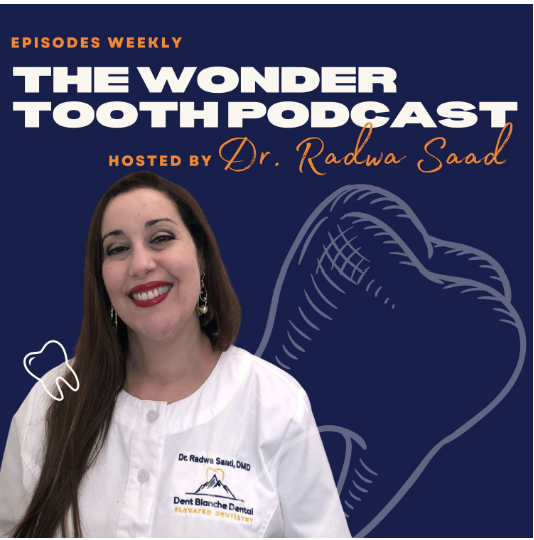
In this episode of The Wonder Tooth Podcast, Dr. Radwa Saad explains what tartar is, how it develops, why it becomes dangerous for your teeth and gums, and what you can do to prevent it.
Watch the full episode here:
Listen on Apple Podcasts, Spotify, iHeartRadio, Audible, Pandora, Apple Podcasts, and all major podcast platforms.
Subscribe to The Wonder Tooth Podcast for weekly dental education designed to help patients protect their smile and understand oral health beyond the basics.
What Is Tartar?
Tartar, also called dental calculus, is hardened plaque.
Plaque is a sticky layer of bacteria constantly forming on teeth.
When plaque stays on the teeth too long, minerals from saliva combine with it. Over time, plaque hardens into tartar.
Once this happens, brushing alone usually cannot remove it.
Tartar commonly forms:
- Along the gumline
- Behind lower front teeth
- Around upper molars
- Between teeth
- Around dental restorations
Tartar creates rough surfaces that attract even more plaque and bacteria.
Plaque vs Tartar: Understanding the Difference
People often ask whether plaque and tartar are identical.
They are not.
Plaque
Plaque:
- Forms daily
- Feels soft and sticky
- Contains bacteria
- Can be removed with brushing and flossing
Tartar
Tartar:
- Hardens over time
- Bonds strongly to teeth
- Feels rough
- Often appears yellow or brown
- Requires professional treatment
Understanding the difference helps explain why regular dental cleanings remain important.
Learn more:
How Dental Plaque Works
What Causes Tartar Buildup?
Several factors increase tartar accumulation.
Inadequate Brushing
Missing plaque allows it to harden.
Skipping Flossing
Plaque between teeth often goes untouched.
Smoking
Smoking increases tartar formation significantly.
Dry Mouth
Reduced saliva flow changes the oral environment.
Diet High in Sugar
Sugar feeds bacteria.
Crowded Teeth
Tight areas make cleaning more difficult.
Orthodontic Appliances
Braces and attachments create additional plaque-retention areas.
Signs You May Have Tartar
Patients often cannot see tartar in early stages.
Common signs include:
- Yellow buildup near gums
- Brown stains
- Bleeding while brushing
- Persistent bad breath
- Rough tooth surfaces
- Gum swelling
- Gum recession
- Increased sensitivity
Early tartar buildup may remain painless.
That is why regular examinations matter.
Schedule your visit:
Why Tartar Is More Dangerous Than Many People Think
Tartar does more than affect appearance.
It creates an ideal environment for harmful bacteria.
These bacteria increase risks for:
- Gingivitis
- Gum disease
- Bad breath
- Cavities
- Bone loss
- Tooth loss
As tartar grows beneath the gums, inflammation increases.
Learn more about periodontal health:
Periodontal Disease Information
Can You Remove Tartar at Home?
This question appears constantly online.
The simple answer:
No.
Once plaque hardens into tartar, professional treatment becomes necessary.
Many internet trends recommend:
- Baking soda combinations
- Vinegar treatments
- Scraping tools
- DIY instruments
- Acidic solutions
These approaches may damage enamel and irritate gums.
Sharp objects can injure tissue or scratch teeth.
Professional care remains safer.
How Dentists Remove Tartar
Dental professionals use specialized instruments and technology.
Treatment may include:
Professional Dental Cleaning
Routine cleanings remove visible tartar buildup.
Ultrasonic Scaling
Modern scaling instruments use vibration and water technology.
Hand Instruments
Precise tools remove difficult deposits.
Deep Cleaning
Advanced buildup below the gums may require scaling and root planing.
What Is Scaling and Root Planing?
Scaling and root planing is often called deep cleaning.
This treatment removes bacteria and tartar beneath the gums.
Deep cleanings help reduce:
- Inflammation
- Bacterial growth
- Pocket depth
- Gum bleeding
Early treatment may help prevent advanced periodontal disease.
How to Prevent Tartar Formation
Prevention remains easier than treatment.
Protect your smile with these habits:
Brush Twice Daily
Brush for two full minutes.
Floss Every Day
Floss removes plaque where brushes cannot reach.
Use Fluoride Toothpaste
Fluoride helps strengthen enamel.
Consider Electric Toothbrushes
Electric brushes may improve plaque removal.
Drink More Water
Hydration supports saliva production.
Reduce Sugary Snacks
Frequent sugar exposure feeds bacteria.
Schedule Regular Dental Visits
Routine maintenance matters.
Request an appointment:
Technology Makes Preventive Dentistry Better
Modern dentistry continues evolving.
Advanced practices may use:
- Digital imaging
- Intraoral cameras
- 3D technology
- Preventive diagnostics
- Laser dentistry
These tools improve diagnosis and patient education.
Dent Blanche Dental combines advanced technology with elevated dentistry and personalized care.
Explore more:
Dent Blanche Dental Official Website
Frequently Asked Questions
Is tartar the same as plaque?
No.
Plaque remains soft and removable.
Tartar becomes hardened and requires professional treatment.
Can mouthwash remove tartar?
Mouthwash may reduce bacteria but cannot remove existing tartar.
Why do I get tartar even when brushing?
Saliva composition, genetics, technique, and anatomy may contribute.
Does tartar cause bad breath?
Yes.
Bacteria associated with tartar frequently contribute to persistent bad breath.
How often should tartar be removed?
Frequency varies by patient.
Many patients benefit from visits every six months.
Some may require more frequent maintenance.
Final Thoughts
Tartar buildup affects more than appearance.
If you notice buildup, bleeding gums, or persistent bad breath, schedule an evaluation today.
Dent Blanche Dental proudly serves Princeton, NJ and Fifth Avenue NYC with luxury, technology-driven dentistry.
Like, Share, Follow and Subscribe
Enjoyed this episode of The Wonder Tooth Podcast?
Please Like, Share, Follow and Subscribe on YouTube, Apple Podcasts, Spotify, iHeartRadio, Audible, and Pandora.
Help us educate more people and break dental myths.
Need a consultation?
Request an Appointment at Dent Blanche Dental
Call: (609) 890-1888
Taming Tartar: How to Prevent and Eliminate Buildup Before It Harms Your Smile
What Is Tartar?
In this new episode of the wonder tooth podcast, Dr. Radwa Saad | Cosmetic Dentist & Host of The Wonder Tooth Podcast and founder of Dent Blanche Dental
Tartar, also known as dental calculus, is a hardened form of dental plaque. Plaque is the soft, sticky film that forms on your teeth throughout the day, composed of bacteria, food particles, and saliva. When plaque is not removed regularly, it combines with minerals in your saliva and hardens—usually within 24 to 72 hours—into tartar.
Tartar forms both above and below the gumline, and while plaque can be removed with daily brushing and flossing, tartar cannot. It requires professional dental cleaning to be removed effectively.
Why Is Tartar a Problem?
Tartar is more than just a cosmetic issue. It creates a rough surface where more plaque can accumulate and causes a cascade of oral health issues, including:
- Gum Disease (Gingivitis and Periodontitis)
- Tartar irritates the gums, causing inflammation, bleeding, and infection. If not treated, it can progress to periodontitis, a serious gum disease that can lead to bone loss and tooth loss.
- Tooth Decay
- The bacteria in tartar produce acids that erode tooth enamel, leading to cavities.
- Persistent Bad Breath (Halitosis)
- Tartar buildup traps bacteria and food particles, which release foul odors.
- Stained Teeth
- Tartar is porous and absorbs stains from coffee, tea, wine, and tobacco, making your teeth look yellow or brown.
- Systemic Health Effects
- Chronic inflammation in the mouth from tartar-related gum disease is linked to heart disease, diabetes, and stroke.
Where Does Tartar Build Up the Most?
Tartar tends to accumulate in areas that are harder to clean:
- Behind the lower front teeth
- On the outside of upper molars
- Along the gumline
- Between crowded teeth
- Around dental restorations like bridges or crowns
If you notice that your teeth feel rough in these areas or that your gums bleed when brushing, you may have tartar and need a professional cleaning.
How to Prevent Tartar Buildup
The key to preventing tartar is controlling plaque before it hardens. Here’s how you can stay ahead of the curve:
1. Brush Twice a Day—Thoroughly
Use a fluoride toothpaste and brush for two full minutes each time. Pay special attention to the gumline and behind your lower front teeth.
2. Use an Electric Toothbrush
Electric toothbrushes are more effective at removing plaque than manual ones. Look for one with a rotating or oscillating head and a built-in timer.
3. Floss Daily—No Exceptions
Flossing removes plaque between teeth where your brush can’t reach. Skipping floss allows plaque to sit and harden into tartar.
4. Add an Antibacterial Mouthwash
Use a therapeutic mouthwash that targets plaque bacteria. This adds an extra layer of defense and reduces bacterial buildup.
5. Minimize Sugar and Refined Carbohydrates
Bacteria in your mouth thrive on sugar. Reducing your intake of sweets, soft drinks, and white bread can slow plaque formation.
6. Drink Plenty of Water
Water helps wash away food particles and balances saliva flow, which naturally combats plaque formation.
7. Avoid Tobacco
Smoking or chewing tobacco significantly increases tartar buildup and risk for gum disease.
At-Home Tools That Can Help
While no at-home tool replaces a dental visit, here are a few helpful additions, top recommended dental hygiene products:
- Interdental brushes for tight spaces
- Tartar control toothpaste with pyrophosphates or zinc citrate
- Water flossers to flush out bacteria from under the gums
- Disclosing tablets to highlight where plaque remains after brushing
These tools can enhance your daily routine and reduce tartar risk between cleanings.
How to Get Rid of Tartar (Only a Dentist Can)
Once tartar forms, you cannot remove it at home. Only a dental professional can do so through a process called scaling.
What Is Scaling?
Scaling involves using specialized tools—manual scalers or ultrasonic instruments—to break up and remove hardened tartar above and below the gumline.
In some cases, especially where gum pockets have developed, a deeper cleaning called scaling and root planing may be needed. This helps smooth the root surfaces and prevent future buildup.
How Often Should You Get Tartar Removed?
Most people benefit from a professional dental cleaning every six months. However, some may need more frequent cleanings—every 3–4 months—if they:
- Have a history of gum disease
- Smoke
- Have diabetes
- Wear braces or retainers
- Have crowded teeth or restorations
Your dentist or hygienist will recommend a custom schedule based on your needs.
Signs You May Have Tartar Right Now
If you’re unsure whether you already have tartar, here are common warning signs:
- Yellow or brown spots near the gumline
- Gums that bleed when you brush or floss
- Chronic bad breath
- Red, swollen, or tender gums
- Rough texture when you run your tongue over your teeth
If you notice any of these, it’s time to schedule a cleaning.
Ready to take control of your oral health?
Book your next professional cleaning at Dent Blanche Dental and experience the difference in elevated, personalized dentistry.
📞 Call us today at 609-890-1888
🌐 Or book online at www.dentblanchedental.com
Are you looking for the best cosmetic dentist in Princeton, NJ?
At Dent Blanche Dental, we specialize in smile makeovers, porcelain veneers, teeth whitening, Invisalign, and dental implants, ensuring that every patient leaves with a radiant, confident smile. Experience Elevated Cosmetic Dentistry.
Dent Blanche Dental is a luxury dental office in Princeton designed to provide the highest level of comfort and cutting-edge dental technology. With state-of-the-art digital smile design, 3D CAD/CAM technology, and same-day porcelain restorations, we offer customized, natural-looking results that enhance your smile instantly.
Our Cosmetic Dental Services:
Porcelain Veneers in Princeton, NJ: Enhance your smile with custom porcelain veneers, crafted to provide a perfectly aligned, bright, and natural look. Using advanced digital scanning, we ensure a precise fit and long-lasting durability.
Teeth Whitening – Professional & Effective: Looking for the best teeth whitening in Princeton, NJ? Our professional Zoom whitening removes deep stains and brightens teeth up to 8 shades lighter in just one visit.
Clear Aligners – Straighten Your Teeth Discreetly: As an InvisalignPreferred Provider, Dr. Radwa Saad offers a clear, comfortable, and Sure Smile removable orthodontic solution to straighten teeth without metal braces.
Dental Implants – Permanent Tooth Replacement: Missing teeth? Our same-day dental implants restore your smile with natural function and aesthetics, ensuring a lifelong solution for tooth loss.
📅Schedule your appointment today here