Is Fluoride Good or Bad for Your Teeth? The Truth
Medically reviewed by Dr. Radwa Saad, DMD | Last updated: 10/04/2026
Published: 08/22/2023
Fluoride: Friend or Foe? The Truth About Fluoride and Your Teeth
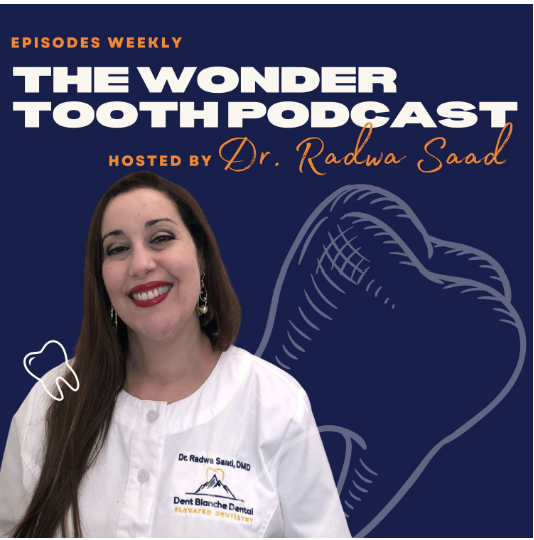
Is fluoride good or bad for your teeth? Is fluoride toothpaste safe? Do adults really need fluoride? And if fluoride prevents cavities, why are so many people online talking about avoiding it? Few ingredients in dentistry generate as much discussion as fluoride. In this episode of The Wonder Tooth Podcast, Dr. Radwa Saad separates fluoride facts from fluoride myths and explains what fluoride actually does, how it helps prevent cavities, when professional fluoride treatments may be useful, and what you should know about dental fluorosis and excessive fluoride exposure. The short answer? Fluoride can be a valuable cavity-prevention tool when it is used appropriately. But understanding how it works is much more useful than simply labeling fluoride a "friend" or "foe."What Is Fluoride?
Fluoride is a naturally occurring mineral. In dentistry, fluoride is used primarily because of its ability to help protect teeth against dental caries, commonly called cavities or tooth decay. You may encounter fluoride in:- Fluoride toothpaste
- Certain mouth rinses
- Professional fluoride varnish
- Fluoride gels and foams
- Prescription fluoride products
- Some community water supplies
- Certain foods and beverages
What Does Fluoride Do to Your Teeth?
Your teeth are constantly exposed to a process known as demineralization and remineralization. When bacteria in dental plaque metabolize sugars and other fermentable carbohydrates, acids are produced. Those acids can remove minerals from tooth enamel. That is demineralization. Saliva helps return minerals to the tooth surface. That is remineralization. Fluoride can support this natural repair process and make the tooth surface more resistant to future acid attacks. In simple terms: Fluoride helps tip the balance toward protecting the tooth instead of losing tooth mineral.How Does Fluoride Help Prevent Cavities?
Fluoride helps prevent tooth decay in several ways.Fluoride Supports Remineralization
Early mineral loss does not always mean a tooth already needs a filling. In its earliest stages, the decay process may sometimes be arrested or reversed through improved oral hygiene, dietary changes, saliva, fluoride exposure, and professional preventive care.Fluoride Makes Teeth More Resistant to Acid
Fluoride becomes incorporated into the mineral structure at the tooth surface, helping make it more resistant to acid challenges.Fluoride Works Where Cavities Begin
Topical fluoride from toothpaste and professional treatments acts directly at the tooth surface. That is one reason brushing with fluoride toothpaste is such an important part of cavity prevention.What Is Topical Fluoride?
Topical fluoride is fluoride applied directly to the teeth. Common examples include:- Fluoride toothpaste
- Fluoride mouth rinse
- Fluoride varnish
- Fluoride gel
- Professional fluoride treatments
What Is Fluoride Varnish?
Fluoride varnish is a concentrated topical fluoride treatment that a dental professional paints onto the teeth. The application is usually quick. The varnish temporarily adheres to the tooth surface, allowing fluoride to remain in contact with the teeth. Fluoride varnish may be recommended based on an individual's cavity risk. It is commonly used in children, but fluoride varnish is not only for children. Adults can benefit too.Do Adults Need Fluoride Treatments?
Some adults may benefit significantly from professional fluoride treatment. A dentist may consider fluoride for adults with:- Frequent cavities
- Exposed tooth roots
- Gum recession
- Dry mouth
- Reduced saliva
- Certain medications
- Orthodontic appliances
- Extensive dental restorations
- High sugar exposure
- Difficulty maintaining oral hygiene
- A history of recurrent decay
Fluoride and Dry Mouth
Saliva is one of your mouth's natural defenses against cavities. It helps:- Wash away food debris
- Neutralize acids
- Lubricate oral tissues
- Support remineralization
Is Fluoride Toothpaste Safe?
For most people, fluoride toothpaste used as directed is an important part of daily cavity prevention. The key phrase is: Used as directed. Toothpaste is intended to clean the teeth—not to be eaten or intentionally swallowed. Young children require supervision because they may swallow toothpaste. The appropriate amount depends on the child's age and ability to spit. Parents should follow their dentist's or pediatric healthcare provider's recommendations.Should Children Use Fluoride Toothpaste?
Fluoride can play an important role in preventing childhood cavities. But young children need appropriate supervision. The goal is to provide the benefits of topical fluoride while minimizing unnecessary swallowing. Parents should:- Supervise brushing
- Use an age-appropriate amount of toothpaste
- Teach children to spit when developmentally able
- Keep toothpaste out of reach when not in use
- Ask their dentist about individual cavity risk
What Is Dental Fluorosis?
One of the most misunderstood fluoride topics is dental fluorosis. Dental fluorosis occurs when a child receives excessive fluoride while permanent teeth are developing beneath the gums. It affects the appearance of the enamel as those teeth form. Mild fluorosis may appear as subtle white lines or spots. More significant fluorosis can cause more noticeable enamel changes. The important point is: Fluorosis develops while teeth are forming. Once your permanent teeth have finished developing, using fluoride toothpaste or receiving professional topical fluoride does not suddenly create dental fluorosis in those already-developed teeth.Does Fluoride Varnish Cause Fluorosis?
Professional fluoride varnish is applied topically and in controlled amounts. Fluorosis is primarily associated with excessive ingestion of fluoride during the years when permanent teeth are developing. This is why dentists emphasize appropriate dosing and supervision in young children. The answer is not to eliminate all fluoride automatically. It is to use fluoride appropriately.Is Fluoride Toxic?
Almost any substance can cause harm at a sufficiently high dose. That includes many substances we routinely use safely. The relevant questions are: What is the dose? How is it being used? How much exposure occurs? Dental fluoride products are designed to be used in specific amounts and ways. For example, toothpaste is meant to be brushed onto the teeth and spit out. Professional fluoride treatments are administered in controlled amounts. This is very different from intentionally swallowing large quantities of fluoride-containing products.Why Is Fluoride So Controversial?
Social media has made fluoride one of the most debated ingredients in oral care. Online claims range from: "Everyone needs more fluoride." to: "Nobody should ever use fluoride." Neither extreme is a good substitute for individualized healthcare. A more useful conversation considers:- Age
- Cavity history
- Diet
- Oral hygiene
- Saliva flow
- Medications
- Gum recession
- Existing restorations
- Fluoride exposure
- Individual preferences
Fluoride-Free Toothpaste: Is It Better?
Fluoride-free toothpaste has become increasingly popular. Some products are marketed as:- Natural toothpaste
- Non-toxic toothpaste
- Clean toothpaste
- Fluoride-free toothpaste
- Hydroxyapatite toothpaste
What About Hydroxyapatite Toothpaste?
Hydroxyapatite toothpaste has received considerable attention online as an alternative to fluoride. Hydroxyapatite is related to the mineral structure of teeth, and toothpaste containing hydroxyapatite is an active area of interest and research. However, patients should be cautious about assuming that every trending ingredient provides identical protection in every situation. Product formulation, concentration, cavity risk, and the quality of supporting evidence all matter. If you have a history of frequent cavities, don't change your preventive routine based solely on a social-media recommendation.Can Fluoride Reverse a Cavity?
This needs an important distinction. Fluoride may help remineralize early enamel demineralization before a true cavitated hole has formed. But fluoride cannot rebuild a large physical hole in a tooth. Once decay has progressed and tooth structure has been significantly destroyed, restorative treatment may be necessary. That is why early detection matters. Regular preventive dental care can help identify problems before they become larger.Does Fluoride Whiten Teeth?
No. Fluoride and teeth whitening serve different purposes. Fluoride primarily helps with cavity prevention and remineralization. Professional whitening is designed to change tooth color. If your primary concern is staining or discoloration, learn more about professional teeth whitening at Dent Blanche Dental.Does Fluoride Replace Brushing and Flossing?
Absolutely not. Fluoride is one part of preventive dental care. Healthy teeth and gums still depend on:- Brushing thoroughly
- Cleaning between teeth
- Managing sugar frequency
- Drinking water
- Maintaining adequate saliva
- Regular dental examinations
- Professional dental cleanings
- Treating cavities and gum disease when necessary
Who Is at Higher Risk for Cavities?
People may have higher cavity risk because of:- Previous cavities
- Frequent sugar or acidic drinks
- Dry mouth
- Certain medications
- Poor oral hygiene
- Exposed roots
- Gum recession
- Orthodontic appliances
- Extensive restorations
- Difficulty cleaning teeth
- Certain medical or developmental conditions
Can You Have Too Much Fluoride?
Yes. Appropriate dose matters. Children should not routinely swallow toothpaste, and fluoride-containing dental products should be used according to instructions. That doesn't mean fluoride itself should automatically be feared. It means that, as with many healthcare products, proper use matters.Frequently Asked Questions About Fluoride
Is fluoride good or bad for your teeth?
At appropriate levels and when used correctly, fluoride can help strengthen the tooth surface, promote remineralization, and reduce cavity risk. Excessive exposure—particularly ingestion during tooth development—can cause problems such as dental fluorosis.What does fluoride do for teeth?
Fluoride helps reduce mineral loss, supports remineralization, and makes tooth enamel more resistant to acid attacks associated with tooth decay.Is fluoride toothpaste safe to use every day?
For most people, fluoride toothpaste is intended for regular daily use according to product directions. Young children should be supervised to minimize swallowing.Is fluoride varnish safe?
Professional fluoride varnish is applied in controlled amounts. Your dentist can determine whether it is appropriate based on age, oral health, and cavity risk.Do adults need fluoride?
Some do. Adults with dry mouth, recurrent cavities, exposed roots, gum recession, extensive restorations, or other risk factors may particularly benefit.Can fluoride reverse tooth decay?
Fluoride may help remineralize very early enamel lesions before cavitation occurs. It cannot rebuild tooth structure once a significant cavity has formed.What causes dental fluorosis?
Dental fluorosis results from excessive fluoride exposure while permanent teeth are developing, generally during childhood.Can adults get dental fluorosis from fluoride toothpaste?
Dental fluorosis affects developing teeth. Once permanent teeth have formed, normal topical fluoride use does not create developmental fluorosis in those teeth.Is fluoride-free toothpaste better?
Not automatically. The best toothpaste depends partly on individual cavity risk and oral-health needs.Is hydroxyapatite better than fluoride?
Hydroxyapatite toothpaste is an area of growing interest, but patients should not assume all products or ingredients provide identical cavity protection. Discuss your individual risk with your dentist before changing a successful preventive regimen.Does fluoride whiten your teeth?
No. Fluoride helps protect against tooth decay; it is not a tooth-whitening treatment.How often should I get professional fluoride treatment?
There is no universal schedule for everyone. Your dentist can recommend professional fluoride based on your cavity risk and oral-health history.Fluoride: Friend or Foe? The Bottom Line
Fluoride should not be reduced to a social-media argument. It is a preventive dental tool. Used appropriately, topical fluoride can:- Support remineralization
- Strengthen the tooth surface
- Help prevent cavities
- Protect exposed root surfaces
- Provide additional protection for people at higher risk of decay
Listen to The Wonder Tooth Podcast
In this episode of The Wonder Tooth Podcast, Dr. Radwa Saad breaks down the fluoride debate and explains what fluoride does, how topical fluoride protects teeth, the truth about fluorosis, professional fluoride treatments, fluoride toothpaste, and how to make informed decisions about cavity prevention. Explore more episodes and oral-health resources:- The Wonder Tooth Podcast
- When Should You Change Your Toothbrush?
- How Dental Care Affects Beauty
- Plaque vs. Tartar
- Flossing Before or After Brushing
Explore Preventive Dentistry at Dent Blanche Dental
Learn more about protecting your teeth before problems develop:- Preventive Dentistry
- Dental Cleanings & Prevention
- Dental Check-Up
- General & Family Dentistry
- Restorative Dentistry
- Dent Blanche Dental Academy
- Meet Dr. Radwa Saad