Bone Grafts in Implant Dentistry Explained
Bone Grafts in Implant Dentistry
Why Bone Grafting Is Often the Key to Successful Dental Implants
Dental implants have transformed modern dentistry, but many patients are surprised to learn that healthy jawbone is essential for long-term implant success. When bone loss occurs after missing teeth, gum disease, trauma, or aging, bone grafting may become necessary before implants can be placed safely and predictably.
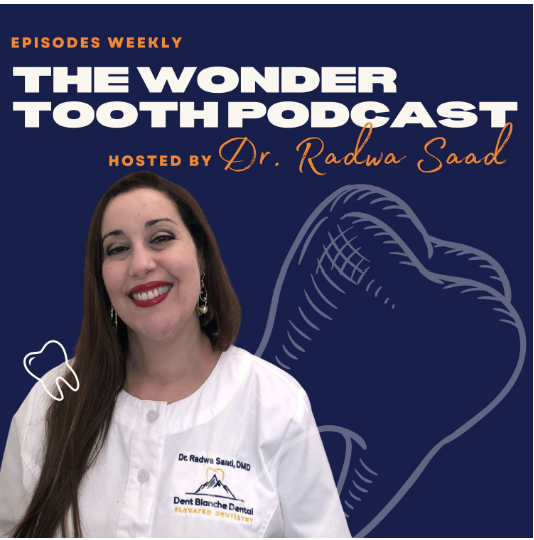
In this episode of The Wonder Tooth Podcast, Dr. Radwa Saad explains everything patients need to know about bone grafts in implant dentistry, including:
- Why bone loss happens
- Types of bone grafts
- Bone graft healing
- Dental implant preparation
- Sinus lifts
- PRF and regenerative dentistry
- Modern digital implant technology
Watch the full episode here:
Bone Grafts in Implant Dentistry
Listen on:
- Apple Podcasts
- Spotify
- iHeartRadio
What Is a Bone Graft in Dentistry?
A bone graft is a regenerative dental procedure used to rebuild or strengthen jawbone in areas where bone loss has occurred.
Bone grafting is commonly performed before:
- Dental implants
- Full mouth reconstruction
- Implant-supported dentures
- Sinus lifts
- Advanced restorative procedures
Bone grafts help create a stable foundation for dental implants and long-term oral health.
Learn more about implant dentistry:
Dental Implants Princeton NJ
Why Bone Loss Happens After Tooth Loss
When a tooth is missing, the jawbone no longer receives stimulation from chewing forces.
Over time, the bone begins to shrink.
This process is called bone resorption.
Common Causes of Bone Loss
Missing Teeth
The most common reason for jawbone shrinkage.
Gum Disease
Advanced periodontal disease can destroy bone around teeth.
Trauma or Injury
Accidents can damage surrounding bone structures.
Long-Term Denture Use
Traditional dentures do not stimulate the jawbone.
Infection
Untreated dental infections may contribute to bone deterioration.
Why Bone Grafting Matters for Dental Implants
Dental implants require adequate bone support for stability and long-term success.
Without sufficient bone:
- Implants may fail
- Stability may decrease
- Aesthetic results may suffer
- Function may become compromised
Bone grafting helps rebuild lost bone and improve implant predictability.
Types of Bone Grafts in Dentistry
Socket Preservation Bone Graft
Performed immediately after tooth extraction to preserve bone volume.
This may help prepare the area for future implants.
Learn more:
Same-Day Tooth Extraction
Ridge Augmentation
Used to rebuild narrow or collapsed jawbone areas.
This procedure improves implant support and aesthetics.
Sinus Lift Bone Graft
Performed in the upper back jaw when insufficient bone exists below the sinus cavity.
A sinus lift creates space for implant placement.
Block Bone Graft
Used in cases of severe bone loss requiring larger bone reconstruction.
Types of Bone Graft Materials
Autograft
Bone taken from the patient’s own body.
Allograft
Processed donor bone material commonly used in dentistry.
Xenograft
Bone material derived from animal sources and processed for dental use.
Synthetic Bone Graft Materials
Biocompatible materials designed to support bone regeneration.
How Platelet Rich Fibrin (PRF) Supports Bone Grafting
Many modern implant procedures now incorporate Platelet Rich Fibrin (PRF) to enhance healing.
PRF contains:
- Growth factors
- Platelets
- Healing proteins
Benefits may include:
- Faster healing
- Improved tissue regeneration
- Enhanced bone formation
- Reduced inflammation
Learn more:
PRF and Regenerative Dentistry
Bone Graft Healing Timeline
Healing varies depending on:
- Type of graft
- Size of the graft
- Patient health
- Smoking status
- Bone quality
Some bone grafts heal in a few months, while larger grafts may require additional healing time before implant placement.
Signs You May Need a Bone Graft
Some patients may need a bone graft if they experience:
- Long-term missing teeth
- Bone shrinkage
- Loose dentures
- Severe gum disease
- Failed implants
- Facial collapse from tooth loss
A comprehensive dental evaluation can determine whether bone grafting is necessary.
Does Bone Grafting Hurt?
Many patients are surprised to learn that bone grafting is often more comfortable than expected.
Modern dentistry uses:
- Local anesthesia
- Sedation options
- Digital technology
- Minimally invasive techniques
These advancements improve patient comfort and recovery.
Learn more about advanced dentistry:
How Digital Dentistry Improves Bone Grafting and Implant Planning
At Dent Blanche Dental, advanced digital technology improves precision and outcomes for implant and grafting procedures.
Technology may include:
- 3D CBCT imaging
- Guided implant surgery
- Digital scanning
- CAD/CAM dentistry
- Digital treatment planning
These tools help improve:
- Accuracy
- Predictability
- Healing outcomes
- Implant placement precision
Bone Grafting and Facial Aesthetics
Bone loss does not only affect dental health.
It can also contribute to:
- Premature facial aging
- Sunken cheeks
- Wrinkles around the mouth
- Facial collapse
- Changes in facial profile
Bone grafting and implants may help support facial structure and aesthetics.
Bone Grafting vs Dentures
Traditional dentures may restore appearance temporarily but do not stop bone loss.
Dental implants supported by healthy bone can:
- Preserve jawbone
- Improve stability
- Improve chewing function
- Support long-term oral health
Read more:
Dentures vs Dental Implants
Why Patients Choose Dent Blanche Dental
Patients choose Dent Blanche Dental because of:
- Advanced implant dentistry
- Luxury patient experience
- Digital dentistry expertise
- Personalized treatment planning
- Cosmetic smile restoration
- Same-day dentistry technology
Led by Dr. Radwa Saad, the practice focuses on precision, aesthetics, and patient comfort.
Frequently Asked Questions About Bone Grafts in Dentistry
Why do I need a bone graft before dental implants?
Bone grafting helps rebuild bone support necessary for stable implant placement.
Is bone grafting safe?
Yes. Bone grafting is a common and predictable dental procedure when performed properly.
How long does a bone graft take to heal?
Healing times vary depending on the procedure and patient factors.
Does everyone need a bone graft for implants?
No. Some patients have adequate natural bone for implant placement without grafting.
Can bone loss happen after tooth extraction?
Yes. Jawbone shrinkage commonly occurs after missing teeth.
What is a sinus lift?
A sinus lift is a bone graft procedure performed in the upper back jaw to create space for implants.
Does PRF help bone graft healing?
PRF may support faster healing and improved tissue regeneration.
Ready to Restore Your Smile With Advanced Implant Dentistry?
If you are considering dental implants, bone grafting, or full mouth restoration, choosing an experienced digital dentistry team is essential.
At Dent Blanche Dental, Dr. Radwa Saad combines advanced implant technology, regenerative dentistry, and luxury patient care to deliver elevated treatment experiences.
Schedule Your Consultation Today
If you are searching for:
- Bone grafting Princeton NJ
- Dental implants Princeton NJ
- Full mouth restoration
- Implant-supported dentures
- Regenerative dentistry
- Cosmetic dentistry
Our team is here to help.
Call today: (609) 890-1888
Request an appointment online:
Book Your Appointment at Dent Blanche Dental
Subscribe, Follow, and Share The Wonder Tooth Podcast
Enjoyed this episode?
Help us continue bringing expert dental education and advanced oral health insights to patients worldwide.
Follow The Wonder Tooth Podcast
- YouTube Channel
- Apple Podcasts
- Spotify
- iHeartRadio
Please Support the Podcast
- Subscribe to the podcast
- Leave a 5-star review
- Share this episode with family and friends
- Follow for weekly dental education and oral health insights
Watch the full episode:
Bone Grafts in Implant Dentistry
Why Bone Grafts Are Needed in implant Dentistry
When a tooth is lost, the jawbone in that area starts to shrink. Over time, this bone loss makes it difficult to place an implant securely. Bone grafts restore the missing bone volume so implants can be placed successfully and last long term.
Types of Bone Grafts Used in Dentistry
1. Autografts (Your Own Bone)
Pros: Gold standard, living cells, excellent integration, no immune reaction.
Cons: Requires second surgery, more discomfort, limited quantity.
2. Allografts (Donor Bone from a Tissue Bank)
Pros: No second surgical site, readily available, safe, predictable.
Cons: Lacks living cells, slower integration.
3. Xenografts (Animal Bone, Usually Bovine or Porcine)
Pros: Very strong scaffold, excellent volume stability, useful in sinus lifts.
Cons: Slower healing, some hesitation about animal sources.
4. Alloplasts (Synthetic Bone)
Pros: Unlimited supply, no disease risk, safe for patients preferring non-biological.
Cons: Less natural integration, often used with other grafts.
5. Platelet-Rich Fibrin (PRF) as a Complement
Pros: Natural, accelerates healing, reduces swelling, lowers infection risk.
Cons: Not a graft by itself, requires centrifuge technology.
Which Bone Graft Is Best?
It depends on your situation: bone volume, health history, and personal preference. At Dent Blanche Dental, we customize treatment and often combine grafts with platelet rich fibrin PRF for the best outcomes.
Conclusion
Bone grafting opens the door to implants that can last a lifetime. Whether using your own bone, donor bone, animal bone, or synthetic material, each graft type has its role. And with platelet rich fibrin PRF, recovery becomes smoother, faster, and more predictable.
📅Schedule your appointment today here
We’re thrilled to bring you the latest innovations and help you understand how dentistry is evolving. So tune in to *The Wonder Tooth Podcast* for this full episode, where Dr. Saad answers your questions, shares real-life stories, and explains how we can help you achieve a perfect smile—on the same day!
Stay tuned for more insights, and remember, your dream smile is closer than you think!
Subscribe for More:
Don’t miss out on future episodes of *The Wonder Tooth*! Subscribe, hit the notification bell, and drop a comment below to let us know how often you change your toothbrush. Dr. Saad might feature your question in an upcoming episode!
Make sure to tune in to this eye-opening episode, and remember, great oral health starts with the right information. We're here to help you smile with confidence!
If you found this video helpful, please give it a thumbs up, subscribe to my channel, and hit the notification bell for more dental tips and advice.
Schedule an appointment today
👉 https://dentblanchedental.com
Dent Blanche Dental
3640 Lawrenceville Rd, Princeton, NJ, 08540
Office# 609-890-1888